
How to Read a Supplement Label Without Getting Misled
Learn how to compare serving sizes, ingredients, dosages, allergens, testing, and marketing claims on supplement labels with confidence.
Start With the Serving Size and Full Ingredient List
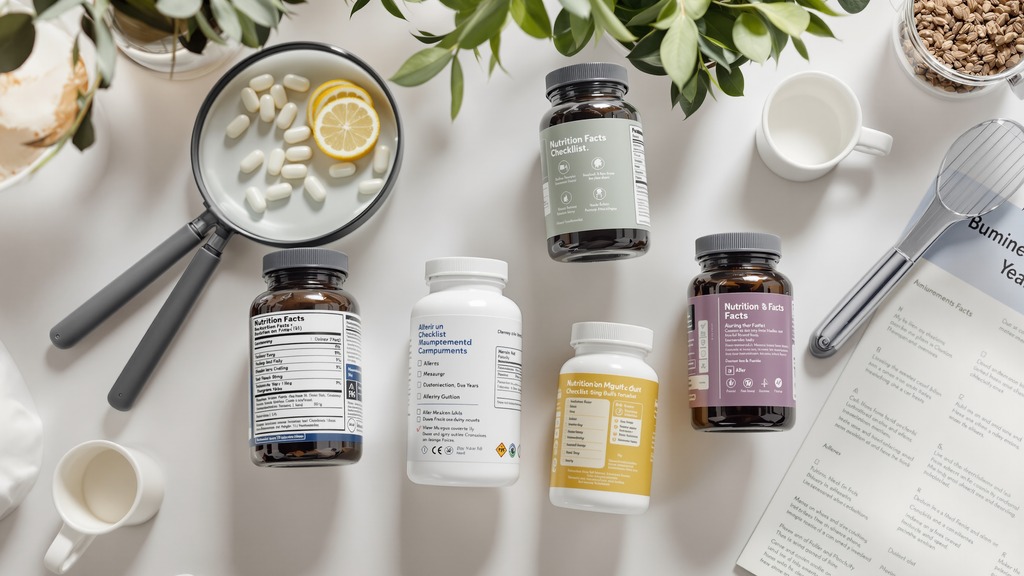
A supplement label can look impressive until you check what one serving actually means. Begin with the serving size, which may be one scoop, several capsules, or multiple tablets. Then calculate the cost and nutrient amount per serving—not merely per container. A product with 30 servings may provide only 15 uses if its suggested serving is two scoops. Compare protein, creatine, collagen, or other active ingredients using the same units and serving assumptions.
Next, read the complete ingredient list from top to bottom. Look for the specific form of each ingredient, such as creatine monohydrate rather than simply “creatine,” and note added sugars, fillers, colorings, and caffeine. Check the allergen statement for milk, soy, wheat, eggs, peanuts, tree nuts, fish, or shellfish, even when those ingredients are not part of the main formula. Also review sweeteners, including sucralose, stevia, and sugar alcohols, because taste preferences and digestive tolerance vary. Ingredient transparency makes supplement labels easier to compare and helps you choose products that fit your needs.
Treat Proprietary Blends and Big Claims With Caution
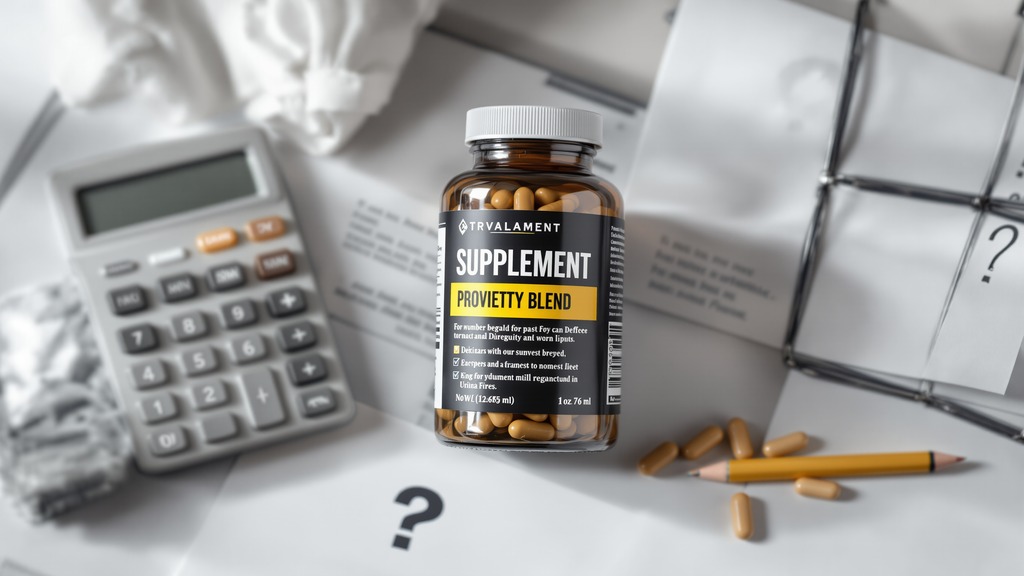
Proprietary blends deserve extra scrutiny because they may list several ingredients without revealing the amount of each one. A blend could contain useful compounds, but without individual dosages, you cannot tell whether an ingredient is present at a meaningful level or included mainly for marketing. Compare products that disclose exact quantities whenever possible. For multi-ingredient formulas, check whether the combined serving provides amounts supported by credible research and whether the suggested use is practical.
Marketing language is another area where shoppers can be misled. Terms such as “advanced,” “clean,” “clinical,” “detox,” “hormone-supporting,” or “rapid results” are not automatically proof of effectiveness. Ask what the claim specifically means and whether it is supported by human research on the finished product—not just one isolated ingredient. Be especially skeptical of promises to cure, prevent, or treat a disease. Dietary supplements are not a substitute for medical care, and individual results vary. A clear label should explain intended use without relying on dramatic claims, celebrity endorsements, or vague references to science.
Look for Meaningful Quality and Testing Evidence
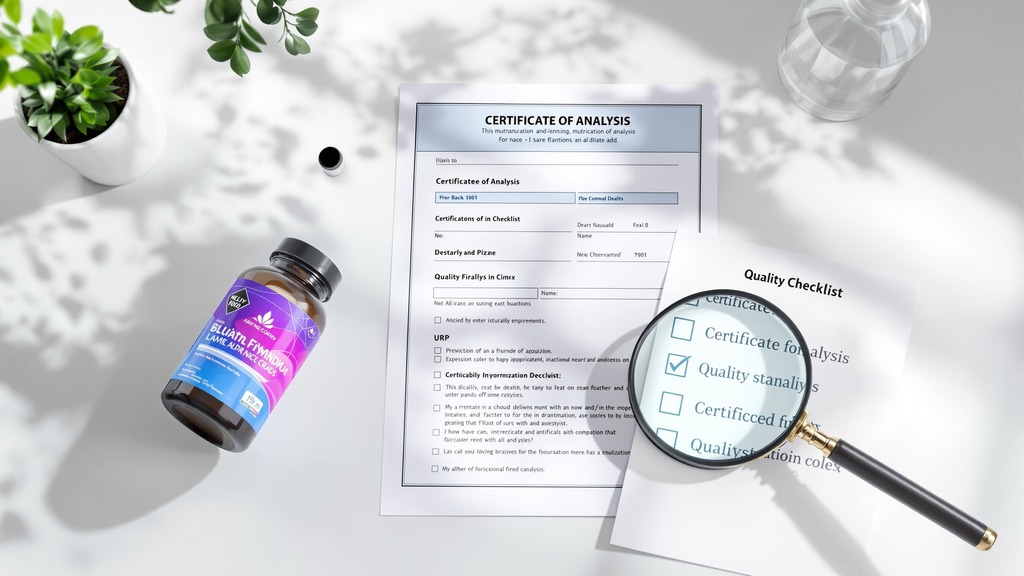
Quality testing can provide useful reassurance, but not every badge or phrase carries the same weight. Look for a clear manufacturer name, lot or batch number, expiration date, contact information, storage guidance, and a certificate of analysis when available. A certificate should identify the product or lot and report relevant testing, such as identity, potency, microbial contamination, heavy metals, or banned substances. Independent certification from a recognized organization may add confidence, particularly for athletes concerned about prohibited ingredients, but verify what the certification actually covers.
Be cautious when a label says “third-party tested” without naming the tester, describing the test, or providing any documentation. “Made in a GMP facility” can indicate manufacturing standards, but it does not prove that every product contains its advertised dose. Check whether the company explains sourcing, testing frequency, and results access. Finally, compare total value: transparent ingredients, sensible dosages, meaningful quality documentation, and reliable fulfillment matter more than flashy packaging. Whether buying once or using a replenishment service, save the label and review it when formulas change. When questions remain, consult a qualified healthcare professional.